Shooting Gear That Held Up in Rain, Snow, and Heat

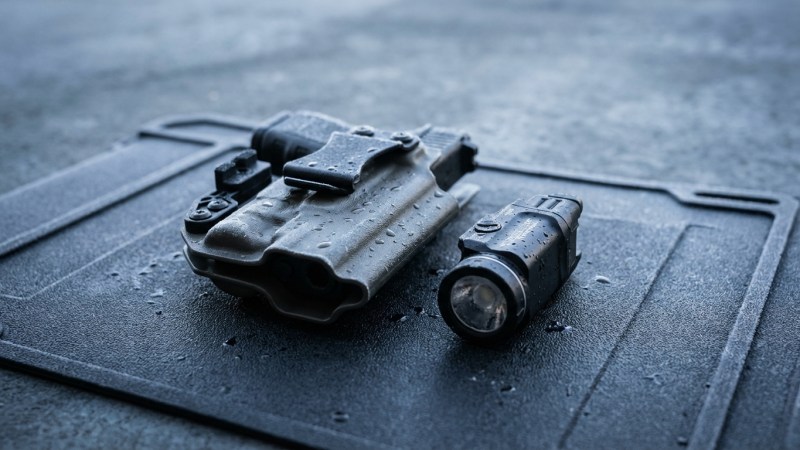
I have shot in weather that had no business being on a range. Sideways rain at a USPSA match in October. A November elk hunt where the temperature dropped thirty degrees overnight. A July prairie dog shoot where the ground was baking at 105 degrees. After enough of those experiences, you stop trusting marketing copy and start trusting what actually comes back in one piece. This article is about exactly that – what held up, what fell apart, and what I would look for if I were buying again. If you spend real time outdoors with a firearm, this is the kind of information that saves you money and frustration.
Why Most Gear Fails Before the Weather Does
Most shooting gear does not fail because the weather is extreme. It fails because the gear was never built for the conditions it was sold for. Manufacturers slap a “weather-resistant” label on a product, and that term means almost nothing without context. Resistant to a light drizzle is not the same as resistant to four hours in a Montana downpour.
The other problem is maintenance. Even solid gear breaks down faster when it is not cleaned, dried, and stored properly after hard use. I have seen quality optics fog up permanently because someone put them away wet. I have watched good leather slings rot in a single season because the owner never conditioned them. The weather is rarely the whole story – it is usually weather plus neglect.
Rain – What Actually Breaks Down First
Optics and Electronics
Rain is the most common weather challenge for most shooters, and the first thing that goes is usually your optics. Scopes with poor seals let moisture in around the turrets. Red dots with exposed battery compartments corrode fast. If you are shopping, look for optics that are nitrogen-purged and O-ring sealed – not just “water-resistant.”
Electronics are the next weak point. Rangefinders, electronic ear pro, and red dot sights with rubber port covers all hold up better than ones with exposed seams. What I have found holds up consistently is gear with a single sealed battery compartment and minimal external buttons. Every extra seam is another place for water to find its way in.
Holsters, Bags, and Cases
Leather gear does not love rain. A leather holster that gets soaked and then dries out in a hot car will crack and warp. Kydex and injection-molded polymer holsters handle rain with no drama at all – wipe them down and move on. For range bags, look for welded seams or taped interior seams, not just water-resistant fabric. The fabric might shed water, but the stitching will wick it straight through.
Hard cases with foam inserts are mostly fine in rain as long as the latches seal properly. Check the gasket around the lid before you trust it with electronics or optics. A case that looks waterproof might just be water-resistant, and that difference matters when you are loading gear into a truck bed in a storm.
Snow and Cold – The Real Gear Killers
Batteries and Lubrication
Cold is harder on gear than rain, and most shooters underestimate it. Batteries lose capacity fast below freezing. A red dot that runs 50,000 hours at room temperature might die in a few hours at 10 degrees Fahrenheit. Always carry a spare battery in an inside pocket where your body heat keeps it warm. This is one of those lessons I learned the hard way on a cold-weather coyote hunt.
Lubrication fails in the cold too. Standard gun oils get thick and sluggish below about 20 degrees. If you are hunting or shooting in cold weather, use a lubricant rated for low temperatures. Dry lubricants and cold-weather-specific oils are worth the small extra cost. A gun that cycles fine in your garage might short-stroke or fail to feed when the temperature drops hard.
Stocks, Grips, and Slings
Polymer stocks and grips generally handle cold well, though some become brittle at extreme temperatures. Synthetic stocks are almost always a better choice than wood for cold-weather use – wood swells and shifts with moisture and temperature changes, which can affect point of impact. I have had a walnut-stocked rifle shoot two inches high after a wet, cold overnight hunt compared to where it was zeroed in dry conditions.
Slings made from nylon or synthetic webbing hold up well in snow and cold. Leather stiffens significantly and can crack if it gets wet and then freezes. If you already have a leather sling you love, a good conditioner applied before the season helps, but synthetic is just easier in cold climates.
Heat and Sun – What Warped, Faded, or Quit
Optics and Polymer Gear
Heat does different damage than rain or cold, and it tends to be slower and sneakier. Leaving a scope on a rifle in a hot truck bed for a summer road trip is a good way to find out your zero has shifted. Thermal expansion affects scope mounts and rings more than most people expect. Check your zero after any extended exposure to high heat.
Polymer gear fades fast in UV. That is mostly cosmetic, but some polymers also become more brittle with prolonged sun exposure. Kydex holsters left in direct sun for months can warp enough to affect retention. If you store gear in a vehicle during summer, keep it out of direct sunlight when possible. A simple range bag or case goes a long way.
Ammunition and Cleaning Supplies
Heat affects ammo more than most shooters acknowledge. Storing loaded magazines or loose ammo in a hot vehicle for extended periods can degrade powder and primers over time. It is not going to blow up in your hand, but consistency suffers. Keep ammo stored in a cool, dry place when you are not actively using it.
Cleaning solvents and lubricants also behave differently in heat. Some solvents evaporate faster, leaving less residue on the bore. Others separate or thicken. Check the storage temperature recommendations on whatever you are using – especially if it lives in a range bag in a hot car all summer.
What to Look for Before You Buy Weatherproof Gear
Not all weather ratings are equal. Here is a quick checklist to run through before you buy any gear you plan to use in real conditions.
Quick checklist – before you buy:
- Is the waterproofing in the seams, not just the fabric or housing?
- Are optics nitrogen-purged and O-ring sealed, not just “water-resistant?”
- Does the battery compartment have a proper seal or gasket?
- Is the lubricant or finish rated for the temperature range you will use it in?
- Is the material (polymer, nylon, Kydex) appropriate for your climate?
- Does the manufacturer list a specific IP rating or MIL-SPEC standard?
- Can the product be re-waterproofed or maintained over time?
MIL-SPEC and IP ratings are more trustworthy than vague marketing language. An IP67 rating means the product has been tested to a specific standard. “Weather-resistant” means nothing without a test behind it.
Gear That Held Up Across All Three Conditions
Quick Takeaways
After years of hard use across all three weather extremes, here is what I have found consistently reliable:
- Nitrogen-purged, O-ring sealed optics – they hold zero and stay fog-free
- Kydex and polymer holsters – no warping, no rot, easy to clean
- Synthetic stocks – more consistent point of impact across temperature swings
- Nylon and synthetic slings – they handle cold, rain, and heat without complaint
- Sealed hard cases with proper gaskets – worth checking before you trust them
- Cold-rated lubricants – a small investment that prevents real problems
- Electronic ear pro with sealed battery doors – holds up far better than exposed designs
The common thread is that gear built with sealed systems and synthetic materials almost always outlasts gear built for looks or light-duty use.
| Category | What Holds Up | What Fails |
|---|---|---|
| Optics | Nitrogen-purged, O-ring sealed | Cheap seals, exposed turrets |
| Holsters | Kydex, polymer | Leather in wet or cold conditions |
| Stocks | Synthetic | Wood (shifts with moisture) |
| Lubrication | Cold-weather rated oils | Standard gun oil below 20°F |
| Electronics | Sealed battery compartments | Exposed ports and seams |
Common Mistakes That Ruin Good Weather-Rated Gear
Even quality gear fails early when it is not handled right. These are the mistakes I see most often – and have made myself.
- Storing gear wet. Putting a soaked range bag, holster, or case away without drying it first is how mold and corrosion start.
- Using the wrong lube for the season. Standard oil in a cold-weather hunt is a real problem. Match your lubricant to your conditions.
- Ignoring gaskets and seals. A case or optic with a cracked O-ring is not waterproof anymore. Check them once a season.
- Leaving gear in a hot vehicle. Heat warps polymer, shifts zeros, and degrades ammo over time.
- Skipping post-shoot cleaning in wet conditions. Rain and snow carry debris into action and barrel. Clean your firearm after any wet session.
- Trusting “water-resistant” without checking the spec. Ask what standard it was tested to. If there is no answer, assume it means light splashes only.
- Forgetting battery spares in the cold. Always carry a backup in a warm pocket during cold-weather hunts or matches.
Good gear does not maintain itself. Build a simple post-shoot routine and your equipment will last significantly longer.
FAQ – Shooting Gear in Harsh Weather Conditions
Q: Is any scope truly waterproof, or are they all just water-resistant?
A: Scopes that are nitrogen-purged and O-ring sealed are genuinely waterproof to a meaningful depth. Look for an IP rating or a specific submersion depth listed by the manufacturer. “Water-resistant” without a spec is marketing language.
Q: Can I use regular gun oil in cold weather?
A: Standard gun oil gets thick below about 20 degrees Fahrenheit and can cause cycling problems. Use a lubricant specifically rated for cold temperatures if you are hunting or shooting in freezing conditions.
Q: Will heat affect my zero?
A: Extended heat exposure can shift your zero slightly, especially if it causes movement in scope mounts or rings. Always verify your zero after a long hot trip before a hunt or match.
Q: How do I dry out a soaked range bag without ruining it?
A: Empty it completely, wipe the interior with a dry cloth, and let it air dry in a well-ventilated area away from direct heat. Do not use a dryer or place it near a heater – that can warp frames and damage zippers.
Q: Is Kydex better than leather for all weather conditions?
A: For weather resistance, yes. Kydex does not absorb water, does not rot, and handles temperature swings without warping or cracking. Leather can work with proper maintenance, but it requires more care in wet and cold conditions.
Q: Should I store ammo in my vehicle during summer hunts?
A: Short-term is generally fine. Long-term storage in a hot vehicle can degrade powder and primer consistency over time. When possible, store ammo in a cool, dry location between uses.
Weather does not care about your gear budget or your match schedule. What I have learned after years of shooting in conditions I probably should have stayed home for is that the right gear makes a real difference – and the wrong gear makes a bad day worse. You do not need to spend a fortune, but you do need to buy intentionally. Look for sealed systems, synthetic materials, and honest specs. Take care of your gear after every hard session. And carry a spare battery when it is cold. Those simple habits will keep your equipment running when the weather turns ugly – which, if you shoot enough, it always does.